
What’s the Difference Between Raised Bed Soil and Garden Soil in Boalsburg, PA?
Updated: Sep 23

Soil isn’t one-size-fits-all, and that’s where a lot of planting frustration begins. Many homeowners don’t realize how much soil choice affects results until plants struggle or maintenance feels harder than it should.
If you’ve ever wondered what’s the difference between raised bed soil and garden soil, it comes down to how each one behaves once it’s in place. Texture, drainage, and how roots grow all play a role, and those differences matter whether you’re planting vegetables, flowers, or building out a larger landscape design.
In this guide, we’ll break down how each soil type works, what it means for plant health, and how choosing the right option can lead to more consistent growth and better long-term success.
Key Takeaways
Soil choice affects drainage, root growth, and long-term plant performance more than most people expect.
Raised beds offer control, while in-ground soil relies more on gradual improvement over time.
Matching soil to your space and goals leads to healthier plants with less ongoing effort.
What Garden Soil Is (and How It Works in the Ground)
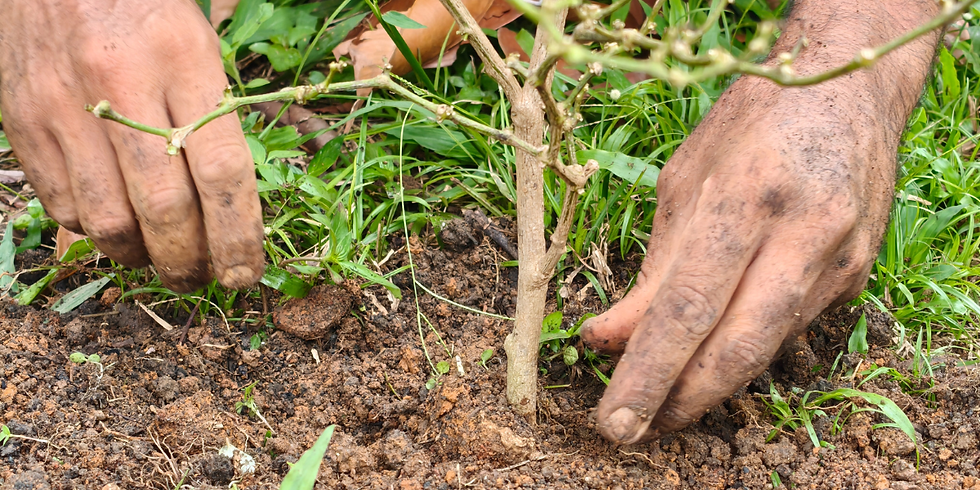
When we talk about garden soil, we’re usually talking about what’s already in your yard. It’s native soil that may have been improved over time with compost, organic matter, or organic fertilizer to support a vegetable or flower garden. This is the soil most in-ground gardens rely on.
Unlike raised garden bed soil or potting mixes, garden soil isn’t uniform. It reflects the history of your property, such as what’s been planted there, how it’s been maintained, and what type of soil you started with.
How your yard shapes your soil
Your existing soil plays a big role in how garden soil behaves. Some yards have loose soil that drains well. Others deal with rocky soil, clay-heavy areas, or sandier soils where water moves too quickly. These conditions affect moisture retention, soil aeration, and how easily plant roots can spread.
That’s why garden soil often needs soil amendments over time. Adding organic material helps balance soil structure and creates a more favorable environment for growing plants.
What to expect with drainage and maintenance
Because garden soil sits at ground level, compaction and drainage issues are common. Heavy soil can hold too much moisture and stress roots, while well-draining soil may need more frequent watering and nutrient support. Garden soil can absolutely support healthy plant growth, but it usually requires more hands-on care to maintain soil health season after season.
If you’re planting directly in the ground, understanding how your soil behaves helps you set realistic expectations and make smarter choices about how to improve it.
What Raised Bed Soil Is (Why It’s Special)

Raised bed soil isn’t just regular dirt moved into a box. It’s a tailored soil mix created specifically for raised bed gardening, where roots don’t have access to the surrounding ground soil. Because of that, everything the plant needs has to be built into the mix from the start.
Most raised garden soil blends combine top soil, dark organic material, and other forms of plant or animal matter to create a nutrient-rich environment. Many mixes also include compost from grass clippings or your own compost, along with additional organic fertilizer to support a full growing season.
How it differs from native garden soil
The biggest difference you’ll notice right away is texture. Raised bed soil is lighter and looser than native soil, which allows for better root growth and water movement. That loose structure helps retain moisture without staying soggy, reducing the risk of poor drainage and root rot.
Unlike in-ground planting, raised beds don’t rely on existing soil below them. That’s why soil composition matters so much. The right raised bed mix facilitates water retention while still draining well, creating a more controlled environment for outdoor plants, flower beds, and even fruit trees in larger raised garden setups.
What’s commonly found in raised bed mixes
Many raised bed mixes include ingredients like peat moss or coconut coir to improve water retention, along with composted materials that support beneficial soil microbes. Some blends borrow elements from potting soil or orchid mix to increase airflow and nutrient retention.
Because raised beds are self-contained, amending soil is more straightforward. You’re not fighting poor ground conditions or sand that reduces water retention. Instead, you’re working with the best soil for the job and one that supports healthy growth, stronger roots, and a thriving garden with more predictable results.
Key Differences: Structure, Drainage, and Roots
The way soil is built—its particle size and overall composition—determines how air and water move through it. In raised beds, soil particles are blended to stay open and flexible, which allows oxygen to reach roots more easily and excess water to move through without pooling. That steady airflow supports consistent growth instead of stressing plants after heavy rain or watering.
Garden soil, on the other hand, often settles unevenly over time. As soil compacts, small air pockets disappear, making it harder for water to drain and for roots to breathe. This is one of the most common reasons plants struggle in ground-level beds, even when everything else seems right.
Why raised beds offer more control
Raised beds give you more control over compaction from day one. Because the soil isn’t walked on or driven over, it stays lighter and more responsive. That makes oxygen delivery more predictable and reduces stress on developing roots as plants mature.
This control is especially helpful if you’ve dealt with compacted areas before. Instead of fighting the ground year after year, raised beds let you create growing conditions that stay consistent through the season.
Why native garden soil varies so much
Native garden soil can change dramatically from one part of a yard to another. One area may drain quickly, while another holds water longer than expected. That variability makes it harder to predict how plants will respond, especially when the weather shifts.
This doesn’t mean garden soil is “bad,” but it does mean results can be less consistent. Knowing how your soil behaves helps explain why some plants thrive while others struggle, and why structure and drainage matter just as much as what you plant.
Nutrients and Soil Biology: What Each Soil Offers
Garden soil develops character slowly. Because it’s connected to the surrounding ground, it often supports a broader and more diverse range of organic life. Microbes, insects, fungi, and other soil organisms move freely through in-ground soil, creating a living system that evolves season after season.
That ongoing activity can be a real advantage, especially if you’ve been gardening in the same space for years. As organic material breaks down naturally, the soil becomes more resilient, but it also means nutrient levels can be uneven and harder to predict.
Why raised bed soil starts more balanced
Raised bed soil is designed to be ready from the start. Instead of relying on what develops over time, it’s usually pre-balanced to meet plant needs right away. Nutrients are more evenly distributed, which gives plants a consistent supply as they grow.
For you, that often means fewer surprises during the season. Plants respond more predictably, and adjustments are easier to make because the soil environment is contained and controlled.
How compost and amendments play different roles
Compost matters in both cases, but it behaves differently depending on where it’s used. In garden soil, compost helps improve long-term structure and feeds an already active system. In raised beds, compost acts more like a reset button—refreshing nutrients and maintaining balance within a defined space.
Neither approach is better across the board. The difference is how nutrients are delivered and maintained. Once you understand that distinction, it’s much easier to choose the right soil setup for how you want to garden and how involved you want to be.
Practical Impacts on Planting and Growth
Some plants are more forgiving than others, but soil choice still plays a big role in how well they settle in. Plants that like loose, well-drained conditions—many vegetables, herbs, and flowering annuals—tend to perform better in raised beds where roots can spread easily. Heavier ground soil often suits larger, established plants that don’t mind denser conditions, like shrubs or trees that have time to adapt.
If you’ve ever planted something that looked fine at first but stalled later, soil resistance is often part of the reason. Roots respond quickly to what they’re growing into.
How soil choice changes watering and maintenance
Soil affects how much effort you put in week to week. Raised bed soil usually drains faster and dries out more evenly, which means watering may be more frequent but more predictable. Garden soil can hold moisture longer, but that also means it’s easier to overwater or deal with soggy areas after heavy rain.
Maintenance follows the same pattern. Raised beds are easier to monitor and adjust mid-season, while in-ground soil often requires more patience and long-term improvements rather than quick fixes.
Why raised beds warm up faster in spring
One practical advantage of raised beds is how they respond to temperature. Because they sit above ground and drain more efficiently, raised beds warm up earlier in spring. That earlier warmth encourages root activity and makes early planting more successful.
For you, that can mean getting a head start on the growing season without fighting cold, slow soil. It’s a small shift that often leads to stronger early growth and better momentum as the season unfolds.
Common Mistakes to Avoid
Even with good intentions, soil choices can create problems that show up weeks or months later. Avoiding a few common missteps can save you time, effort, and frustration as your garden grows.
Skipping amendments in raised beds
Filling a raised bed with heavy garden soil without amending it often leads to compaction and poor root development.
Using a mix that’s too light
Some raised bed mixes drain too quickly and struggle to retain moisture, which can stress plants and increase watering demands.
Ignoring long-term soil health
Soil isn’t a one-season decision. Without ongoing organic input and nutrient cycling, plant performance declines over time, no matter where you’re planting.
How to Choose Based on Your Garden Goals
What you plan to grow should guide your soil choice. Vegetables, herbs, and plants with shallow roots often do best in raised beds where soil conditions stay loose and consistent. Deep-rooted perennials, shrubs, and long-term plantings usually adapt well to in-ground soil, especially when it’s been improved over time.
Thinking about root depth upfront helps avoid problems later, like stalled growth or plants that never fully establish.
When space, soil, or access is limited
Raised beds shine when space is tight, native soil is poor, or accessibility matters. If digging into existing ground feels like a battle, raised beds offer a fresh start without needing to overhaul the entire yard. They’re also easier to manage for gardeners who want less bending and more control over planting conditions.
In larger spaces with workable soil, in-ground planting may make more sense and feel more natural within the landscape.
Factoring in climate and seasonal conditions
Climate plays a quiet but important role in soil decisions. Areas with heavy rain benefit from better drainage, while regions with freeze-thaw cycles need soil that won’t compact or hold excess moisture. Watering habits matter too because some soils dry out quickly, while others hold moisture longer than expected.
Choosing soil with your local conditions in mind sets you up for fewer surprises and a garden that performs more consistently from season to season.
Let’s Make Your Landscape Work Better From the Ground Up
Soil choices shape everything that comes next. At Landscape II, we help homeowners look beyond quick fixes and build outdoor spaces that support healthy growth long term. Whether you’re deciding between raised beds and in-ground planting or planning a full refresh, we take the time to understand how you use your space and what will work best for your property.
In addition to landscape design, we offer planting services, raised bed installation, patios and walkways, tree work, and ongoing landscape maintenance. Every service is approached with the same goal: creating outdoor spaces that are functional, balanced, and easier to care for over time.
If you’re not sure where to start, message us for a free consultation. We’re happy to walk your property, talk through your goals, and help you make confident decisions that fit your landscape and your lifestyle.
Conclusion
Choosing the right soil isn’t about following a rule—it’s about setting your plants and your landscape up to grow with less frustration and better results over time.
Frequently Asked Questions
What makes raised bed gardening different from planting in the ground?
Raised bed gardening gives you more control over soil conditions, drainage, and root space. It’s especially helpful when native soil is compacted, poorly draining, or inconsistent across the yard.
When do soil amendments actually make a difference?
Soil amendments matter when plants struggle to establish, drain poorly, or show uneven growth. Adding the right organic materials helps improve structure, nutrient availability, and long-term soil performance.
Why does soil composition affect plant health so much?
Soil composition determines how well water, air, and nutrients move through the soil. Balanced composition supports stronger roots, steadier growth, and fewer stress-related issues during the season.
How much soil do I need for a raised bed or garden area?
How much soil you need depends on bed size, depth, and what you’re planting. Shallow-rooted plants need less depth, while deeper roots require more soil to grow properly without restriction.


Comments