
What Grass Grows Best in Central Pennsylvania?
Updated: Sep 27

Take a walk through almost any neighborhood in Central Pennsylvania, and you'll notice something interesting. One lawn looks thick, healthy, and green, while the yard next door may be struggling with thin grass, bare patches, and areas that never seem to fill in, no matter how much watering or fertilizing happens. In many cases, the difference comes down to a single factor: choosing the right grass.
As a landscape company Boalsburg homeowners have trusted for decades, we've seen firsthand how grass selection can impact the long-term health and appearance of a lawn. Pennsylvania's climate brings a unique combination of cold winters, humid summers, varying rainfall patterns, and soil conditions that can make lawn care more challenging than many people expect.
That leads to an important question: what grass grows best in Central Pennsylvania? The answer depends on several factors, including sun exposure, drainage, soil quality, and how you use your outdoor space. Before investing in grass seed or installing a new lawn, it's worth taking a closer look at which grass varieties are most likely to thrive in our region.
Key Takeaways
Tall fescue is the most reliable grass choice for many Central Pennsylvania lawns.
Kentucky bluegrass offers excellent appearance but usually requires more maintenance.
Fine fescues are ideal for shaded areas where other grass types struggle to grow.
Why Central Pennsylvania Lawns Need the Right Grass
Central Pennsylvania lawns face a little bit of everything throughout the year. Temperatures can swing from freezing winter conditions to stretches of intense summer heat, often within a matter of months. Add changing rainfall patterns, varying soil conditions, and different levels of sunlight across a property, and it's easy to see why some lawns thrive while others develop bare spots or thin areas that never seem to recover.
Weather is only part of the equation
The grass growing in your yard has to handle more than seasonal changes. Foot traffic from kids, pets, and outdoor gatherings can wear down lawn grass, especially in high-traffic areas. Some sections of a property may receive direct sunlight all day, while others remain in partial shade beneath mature trees.
Soil pH, drainage, and moisture levels matter just as much. While some grass types prefer moist soils, others perform better in well-drained soils and are more drought-tolerant during dry periods.
Not every grass seed is built for Pennsylvania
Many homeowners assume any grass seed sold locally will work well in their yard. In reality, some varieties struggle with Central Pennsylvania's climate and soil conditions.
Cool-season grasses are generally the best fit because they handle cooler temperatures and seasonal fluctuations better than most warm-season grasses. Options such as zoysia grass can grow in parts of the state, but they often turn brown for extended periods during colder months.
Choosing the right foundation
A healthy lawn starts with selecting grass varieties that match your property. Shade tolerance, drought resistance, soil conditions, and expected foot traffic all influence long-term success. The wrong choice can create ongoing lawn care challenges, even with regular maintenance.
Fortunately, several cool-season grasses consistently perform well throughout the region. From turf-type tall fescue and Kentucky bluegrass to perennial ryegrass and fine fescue varieties, certain grasses are especially well-suited for Pennsylvania lawns. In the next section, we'll look at why tall fescue has become one of the most popular choices for homeowners.
Tall Fescue: The Reliable Choice for Most Central PA Lawns

If there is one grass that consistently performs well across Central Pennsylvania, it's tall fescue. Over the years, it has become one of the most popular choices for residential lawns because it adapts well to the region's changing weather conditions while remaining relatively low-maintenance.
Homeowners looking for a healthy lawn often appreciate tall fescue's ability to establish strong roots and maintain a dark green color throughout much of the growing season. Compared to some other cool-season grasses, it offers a practical balance of durability, appearance, and long-term performance.
Built to handle challenging conditions
One reason tall fescue stands out is its deep root system. Those roots help the grass access moisture deeper in the soil, making it more drought-resistant than many other grasses commonly used in Pennsylvania lawns.
That extra resilience becomes especially valuable during periods of hot, dry weather. While no grass is immune to stress, tall fescue typically handles summer conditions better than Kentucky bluegrass and some other cool-season varieties. Its high tolerance for wear and changing conditions also makes it a strong choice for home lawns that see regular activity from children, pets, and outdoor entertaining.
A great fit for most properties
Tall fescue performs particularly well in sunny areas, though many modern turf-type tall fescue varieties can tolerate light shade as well. It works well on a wide range of properties and soil types, including locations where other grasses may struggle to stay thick and healthy.
Because it grows in a bunch-type grass pattern rather than spreading aggressively, occasional overseeding may be needed to address dead patches or thin spots. Still, when properly maintained, it creates a dense, attractive lawn with less frequent mowing and fewer maintenance demands than some alternatives.
Why modern seed mixes depend on tall fescue
Many of today's best grass seed products feature tall fescue as a primary ingredient. It is often combined with Kentucky bluegrass, perennial ryegrass, or fine fescue varieties such as creeping red fescue, hard fescue, sheep fescue, and chewings fescue to create a diverse seed mix that performs well across different conditions.
These blends allow homeowners to benefit from the strengths of multiple grass types while relying on tall fescue as the foundation. The result is often a lush lawn with durable green grass, strong drought resistance, and the flexibility to thrive in a variety of Central Pennsylvania landscapes.
Kentucky Bluegrass: Beautiful but Higher Maintenance

Few grass types are as recognizable as Kentucky bluegrass. Known for its rich color and dense growth, it has long been a favorite for homeowners who want a picture-perfect lawn. Many golf courses also use Kentucky bluegrass because it creates a lush, uniform appearance with a fine leaf texture that stands out in cool weather.
One of its biggest advantages is its ability to spread through underground rhizomes. This self-repairing growth habit helps fill in small bare areas as new grass sprouts emerge, allowing the lawn to recover from everyday wear more effectively than some other grass seed options.
The tradeoff is that Kentucky bluegrass requires more attention to stay looking its best. It typically needs more water than many other grass varieties and can struggle during extended periods of heat, especially in early summer. While it creates an attractive species of lawn, it isn't usually considered a low-maintenance option.
For homeowners who prioritize appearance and are willing to invest a little more time into lawn care, Kentucky bluegrass can still be an excellent choice. It is often included in premium seed blends to help create the dense, healthy grass that many people associate with the best lawn on the block.
Fine Fescues: A Smart Solution for Shady Areas
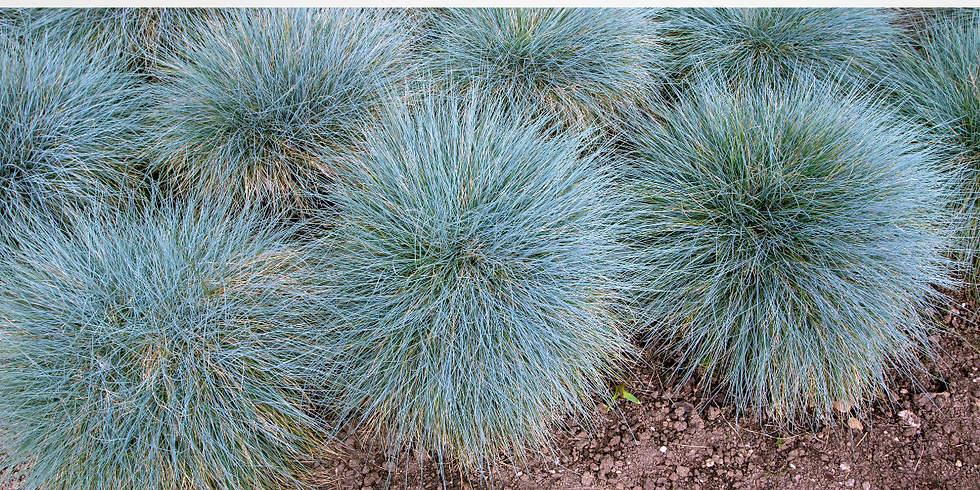
Lawns beneath mature trees often present a challenge. While many grass varieties need several hours of direct sunlight each day, shaded areas can leave homeowners dealing with thin growth and patchy turf. That's where fine fescues shine.
This group of grasses, which includes creeping red fescue, chewings fescue, and hard fescue, is known for excellent shade tolerance. They can grow in areas where other grass types struggle, making them a popular choice for properties with significant tree cover. Fine fescues also require less frequent mowing and generally need less fertilizer than many traditional lawn grasses.
While fine fescues can be planted on their own, they often perform best as part of a grass seed mix. Combined with other cool-season grasses, they help create a fuller, more resilient lawn that can adapt to both sunny and shaded areas across the property.
The Biggest Mistake Homeowners Make When Choosing Grass
When shopping for grass seed, it's tempting to focus on price alone. Unfortunately, the cheapest option is not always the best value. Many bargain seed mixes contain lower-quality grass varieties that may establish quickly but struggle to provide long-term results.
The result is often thin growth, increased weed pressure, poor tolerance to summer heat, and a greater need for reseeding. What seems like a savings upfront can quickly turn into additional time, effort, and expense.
Instead of choosing seed based solely on cost, focus on quality and local suitability. The best grass for Central Pennsylvania is one that matches your property's conditions and can thrive in the region's climate year after year.
We Help Homeowners Build Healthier Lawns
The best grass for your property depends on more than climate alone. Sun exposure, soil conditions, drainage, and how you use your outdoor space all play a role in long-term success.
If you're planning a new lawn installation, exploring landscape design improvements, or addressing drainage issues that affect turf health, our team can help you create an outdoor space built to thrive in Central Pennsylvania.
Contact us today to schedule a consultation.
Conclusion
For most Central Pennsylvania lawns, cool-season grasses like tall fescue, Kentucky bluegrass, and fine fescues provide the best combination of durability, appearance, and long-term performance. Choosing the right grass for your property's unique conditions can help you build a healthier lawn that stays greener and requires less maintenance over time.
Already planted the right grass but still seeing bare spots? Find out what may be stopping your lawn from growing.
Frequently Asked Questions
What is the best grass for Central Pennsylvania?
Tall fescue is often considered the best all-around choice because it handles drought, foot traffic, and seasonal weather changes well.
Choosing the seed is one step. Here’s when to plant grass in Boalsburg to give it a good start.
Does Kentucky bluegrass grow well in Pennsylvania?
Yes. Kentucky bluegrass performs well in Pennsylvania but typically requires more watering and maintenance than tall fescue.
What grass grows best in shade?
Fine fescues, including creeping red fescue and chewings fescue, are excellent options for shaded areas.
Should I use a grass seed mix?
In many cases, yes. A quality seed mix combines the strengths of multiple grass varieties to improve overall lawn performance.
For help keeping your entire landscape healthy, see what to look for when choosing a premium landscaping team in Boalsburg.


Comments