
Beautiful Flowers That Look Like Lavender But Aren't in Boalsburg, PA
Updated: Sep 22

Want the lavender look without the fuss? These flowers that look like lavender but aren't bring the same silvery texture and purple spikes, hold up in Centre County winters (Zone 6a–6b), and slot neatly into your landscape design for full-sun beds and borders.
Key Takeaways
Russian sage, catmint, spike speedwell, bluebeard, and sea lavender give the lavender vibe while staying reliable in Pennsylvania’s Zone 6.
Match plant to site: hot, dry, well-drained beds suit Russian sage and catmint, while average moisture favors Speedwell, and sharp drainage is essential for sea lavender.
Keep care simple: cut back in spring, water new plantings deeply but infrequently, and avoid heavy fertilizer to preserve long bloom and sturdy form.
Quick ID: What Makes a Plant “Lavender-Like”?
Lavender look-alikes share the same graceful mix of texture, color, and scent that makes true lavender irresistible. Think silvery foliage, fragrant purple flowers, and tall spikes of soft violet or bluish blooms that sway in the sun. These herbaceous perennials thrive in full sun and well-drained soil, often matching lavender’s drought-tolerant nature once established.
Their appeal comes from similar features (aromatic foliage, spiky blooms, and purple hues ranging from pale lavender to deep violet blue flowers), but each has its own twist. Some, like Russian sage or anise hyssop, grow taller and looser; others, like meadow sage or spike speedwell, stay compact for tighter garden beds or cottage garden borders.
We’ll show you which of these flowering plants give you the lavender effect (silvery green leaves, vibrant blossoms, and long bloom seasons) without the finicky habits. You’ll see how each one differs from real lavender, so your design feels intentional, not imitated.
Top Pennsylvania-Hardy Lavender Look-Alikes (Profiles)
Below, each plant notes why it passes the “lavender glance test,” how it differs, its PA fit (Zone 6a–6b friendly), and simple pairing ideas.
Russian sage (Salvia yangii, syn. Perovskia atriplicifolia)

Why it looks like lavender: Tall, hazy lavender-blue flower spikes over silvery foliage.
Different: Airier, taller sprays; not a true Lavandula.
PA fit: Hardy perennial (Zones ~4–9), 2–4' tall; full sun; sharply drained soil.
Pair with: Coneflower, yarrow, little bluestem—great in hot, lean beds.
Catmint (Nepeta × faassenii and cultivars)

Why it looks like lavender: Gray-green leaves and long lavender-blue spikes on soft mounds.
Different: Shear after first flush for repeat bloom; foliage is softer.
PA fit: Hardy (Zones ~3–8); full sun to light part shade; dry–medium, well-drained soil.
Pair with: Roses, salvia, and low sedums for a tidy, long-blooming edge.
Anise hyssop (Agastache foeniculum)

Why it looks like lavender: Upright purple spikes read like compact lavender wands.
Different: Leaves smell of licorice; huge pollinator draw mid–late summer.
PA fit: Hardy (Zones ~4–8); full sun; excellent drainage.
Pair with: Black-eyed Susan, bee balm, ornamental oregano for a nectar-rich mix.
Spike speedwell (Veronica spicata)

Why it looks like lavender: Dense, tapered violet-blue flower spikes on neat clumps.
Different: Greener leaves; prefers steadier moisture than lavender.
PA fit: Hardy (Zones ~3–8); full sun; well-drained soil that doesn’t bake bone-dry.
Pair with: Catmint skirts, coreopsis, and low grasses for clean lines.
Bluebeard (Caryopteris × clandonensis)

Why it looks like lavender: Late-summer clouds of blue-lavender flowers; some forms have a silvery cast.
Different: Woody subshrub; in Zone 6, tops often winter-kill and regrow from the base.
PA fit: Hardy to about Zone 5–6; full sun; prune in late winter/early spring.
Pair with: Dwarf butterfly bush, Russian sage, and sedum for August–September color.
Hyssop (Hyssopus officinalis)

Why it looks like lavender: Narrow leaves and vertical blue-purple spikes; classic herb-garden vibe.
Different: True culinary hyssop; foliage is darker green than lavender’s silver.
PA fit: Hardy (Zones ~4–9); full sun; well-drained soils.
Pair with: Thyme, sage, and stonecrops in a dry, sunny herb border.
Sea lavender (Limonium latifolium) — “name trap” look-alike
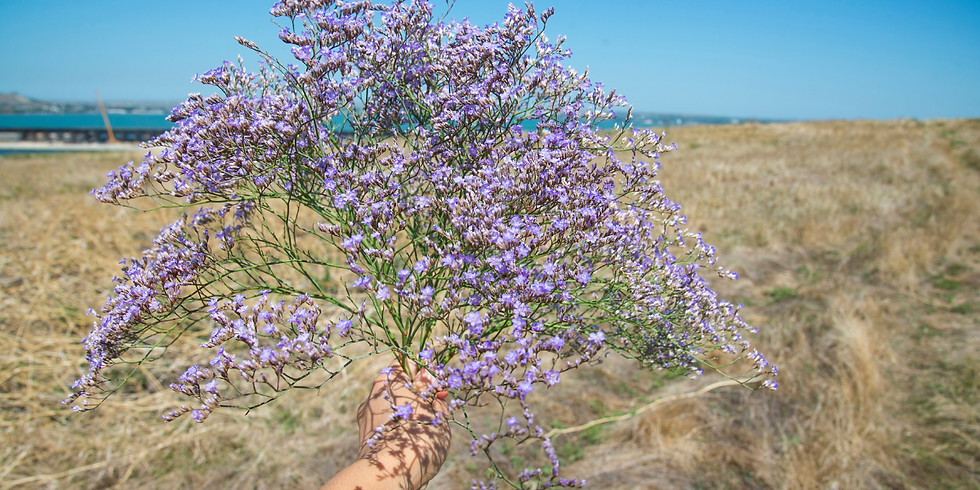
Why it’s confusing: Airy violet-blue sprays read lavender-ish from a distance.
Different: Basal rosette with cloud-like sprays (not true spikes); unrelated to Lavandula.
PA fit: Hardy (commonly Zones ~4–9); full sun; needs very sharp drainage to avoid crown rot.
Pair with: Rock-garden companions like dianthus and dwarf grasses for a coastal feel.
Quick Chooser: Match the Look to Your Site
Start with your site conditions (sun, drainage, and typical moisture), and then pick the “lavender look” that will actually thrive there.
Hot, lean, very well-drained beds: Choose Russian sage, catmint, or hyssop—full sun, drought-tough, and airy flower spikes in blue-violet to light purple over silvery green foliage.
Average garden soil with regular moisture: Spike speedwell brings dense, tapered violet flowers on a tidy, clump-forming plant from late spring into early summer.
Late-summer color in a small shrub: Bluebeard offers lavender-blue to deep purple clouds on woody stems (in Zone 6, expect top dieback; roots return each year).
Coastal/rock-garden vibe with airy bloom: Sea lavender gives pale blue to bluish flowers above a low rosette—great where drainage is sharp and soils stay dry.
How to Tell Them From Real Lavender at a Glance
At first glance, these plants can fool even seasoned gardeners—the flower spikes, colors, and fragrance feel unmistakably “lavender.” But look closer, and you’ll spot their differences.
Lavender has narrow, silvery leaves, dense flower heads clustered at the top of slender stems, and a distinctly herbal scent from its aromatic leaves. It thrives in full sun, hates moist soil, and prefers warmer climates with excellent drainage. Curious how it behaves locally? Read our guide to lavender and invasiveness.
Russian sage sends out branched sprays of tiny blue-violet flowers on tall stems with an airy texture.
Catmint forms rounded mounds with many short spikes of pale lavender-blue blooms that return through the mid-summer with a quick shear.
Spike speedwell grows as a clump-forming perennial with upright dark purple or rich violet spikes and dark green foliage.
Bluebeard acts more like a small deciduous shrub, blooming in early fall with vibrant purple clusters and fine, gray-green leaves.
Each of these look-alikes brings its own structure and bloom timing, so even without true lavender, your garden can still capture that same soft color, scent, and showy plant appeal, all while thriving in Pennsylvania’s climate.
Care Calendar (Zone 6)
A little seasonal rhythm keeps your “lavender look” thriving in Pennsylvania without extra fuss.
Spring
Cut back Russian sage and bluebeard to fresh growth; shear catmint after its first flush to spark more purple blooms and tidy mounds.
Plant new perennials once soil warms; give them sun and sharp drainage—even those with dainty purple flowers dislike soggy feet.
Summer
Water new plantings deeply but infrequently, so roots dive; established plants grow best on the dry side.
Skip heavy fertilizer; most mint-family look-alikes (catmint, anise hyssop) stay fuller and longer-blooming without it.
In partial shade, watch for legginess—lightly pinch to keep an upright growth habit and continuous, vibrant blooms.
Late summer/fall
Deadhead spike speedwell to extend color; stop shearing catmint by early fall so plants harden off.
Leave Russian sage standing for winter texture and wildlife cover; its airy stems outlast frost and pair well with other colorful flowers.
Mulch lightly after the ground cools, keeping crowns bare so these perennial plants ride out winter cleanly.
Common Mistakes to Skip
Even tough herbaceous perennials that mimic lavender have limits. Avoid these common missteps to keep your look-alikes healthy and long-lived.
Overwatering or planting in heavy clay. Poor drainage quickly rots Agastache, Hyssop, and Sea lavender, especially in winter. Always use well-drained soil and avoid mulching too thickly around crowns.
Expecting woody tops to overwinter on Bluebeard. In Zone 6, its stems often die back; the roots regrow each spring, so prune to the base and don’t assume it’s gone.
Treating Speedwell like a desert plant. It’s not as drought-tolerant as Russian sage or catmint—steady moisture keeps those tiny flowers and rich purple spikes blooming longer.
Forgetting the “mint family” factor. Plants such as catmint and anise hyssop can spread if left unchecked. Trim after flowering to keep the shape and encourage a longer blooming period.
Crowding or trapping moisture. These perennials need airflow, so skip hanging baskets or spots where drooping stems stay damp. Give them space to grow upright and display their nectar-rich flowers at their best.
Bring the Lavender Look to Life—No Lavender Required
We’ve been designing and installing landscapes across Centre County since 1970, and we know that true lavender doesn’t always love Pennsylvania’s soil or winters. The good news? You don’t need it to get that same silvery texture, purple blooms, and long-season charm.
At Landscape II, we handle full landscape design, plant installation, and maintenance, creating outdoor spaces that look refined and thrive year after year. If you’d love a “lavender look” garden that actually fits our local climate, we can design a custom planting plan that stays healthy, colorful, and low-maintenance through every season.
Contact us for a free consultation, and we’ll help you build a garden that captures that same calm, fragrant beauty without the fuss.
Conclusion
You can capture the calm, silvery texture and purple spikes you love—without growing actual lavender—by choosing look-alikes that fit your sun, soil, and drainage. Start with one or two proven options, then build a small palette that stays beautiful through Pennsylvania’s seasons.
Frequently Asked Questions
Which plants with purple flowers give a lavender look in Pennsylvania?
Great stand-ins include Russian sage, catmint, spike speedwell, bluebeard, and anise hyssop; all offer spiky purple blooms and thrive in Zone 6 with full sun and good drainage.
Is meadow sage (Salvia nemorosa) a good substitute for lavender?
Yes. Its upright spikes and long bloom window mimic lavender’s look, it’s hardy in Zones 4–8, and it reblooms if you deadhead; expect greener foliage and less fragrance than true lavender.
How does common sage (Salvia officinalis) compare to lavender in the landscape?
Common sage is a culinary herb with gray-green, aromatic leaves and blue-purple flowers; it forms compact mounds, handles PA winters in well-drained soil, and reads “lavender-ish” without being as airy. It's a great addition to landscapes in PA.
What other plants pair well with these look-alikes?
Try coneflower or yarrow for summer color, sedum or dwarf grasses for structure, and bluebeard for late-season bloom; the mix keeps texture and color rolling from late spring into fall.


Comments